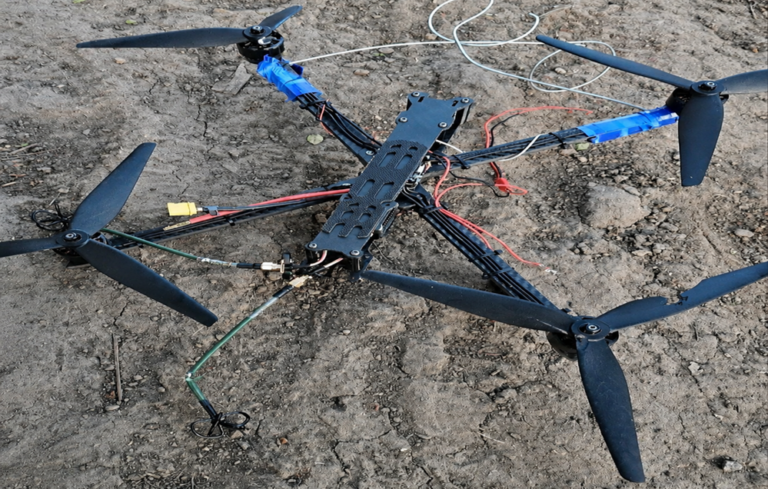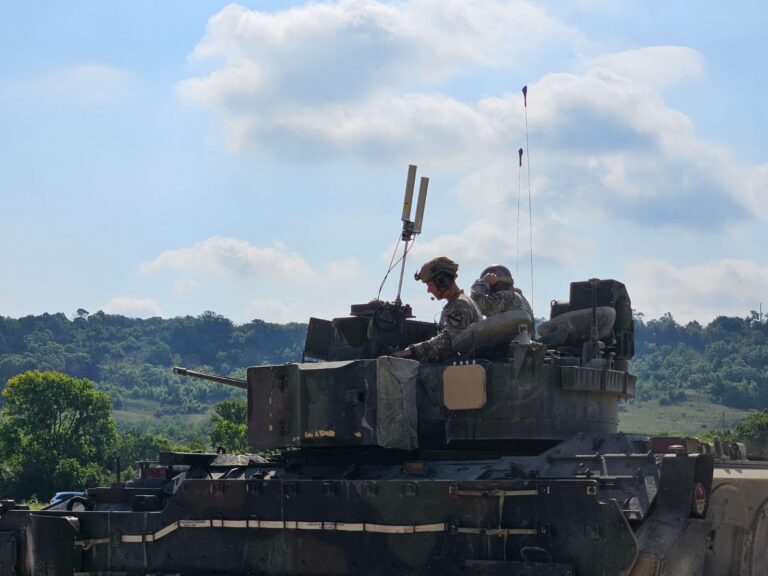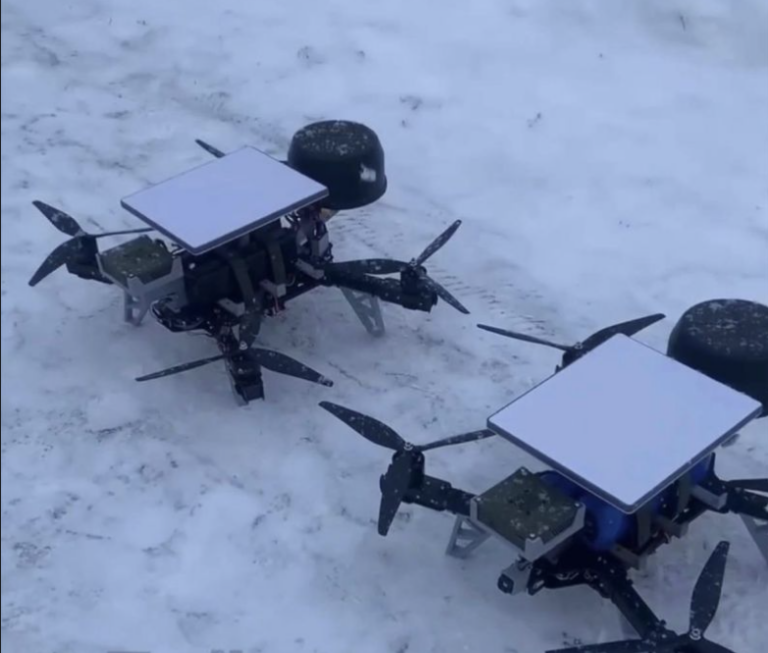


Recent attacks in the Gulf highlight a new reality: low-cost drones are now strategic weapons. And this isn’t limited to battlefields in the Middle East or Ukraine.
For ODIN, which has been protecting borders and critical infrastructure across Israel and Europe over the last 2 years, one thing is clear: drones are everywhere.
What we’re seeing around critical infrastructure is no longer hobbyists flying DJI drones that are easily detected by decrypting their communication link.
It’s:
• Sophisticated DIY FPV drones
• Anonymized systems designed to evade attribution
• Adversaries using military-grade communications and tactics to surveil infrastructure
Power plants.
Transmission lines.
Desalination facilities.
Substations.
We are watching the democratization of aerial threat capabilities.
Critical infrastructure is becoming a targetable battlespace.
The good news?
Most drones rely on RF links for control, telemetry, and navigation. That creates an opportunity.
ODIN passively analyses RF activity to enable operators to detect, classify, geolocate, and track any kind of drone and their operators, without revealing its own position.
This capability works in dense urban environments and against unknown and previously unseen RF emitters.
The threat is evolving fast. Regulation and security strategies must evolve with it.
The question isn’t whether drones will target infrastructure. The question is whether we will adapt fast enough.
Read more here