

Modern security works best when systems are layered, interoperable, and purpose-built.
Across defense, law enforcement, and critical infrastructure security, we should be seeking integrated security architectures that deliver best-in-class capability at every layer.
In this kind of architecture, passive RF awareness plays a foundational role, providing persistent, non-disruptive visibility into the electromagnetic environment. Done right, it strengthens radar, optical, cyber, EW, and kinetic layers rather than competing with them.
At a technical level, this requires passive, wide-band sensing that operates at the physical waveform layer – able to detect, classify, and geolocate emitters independent of protocol, modulation, encryption, or pre-defined libraries.
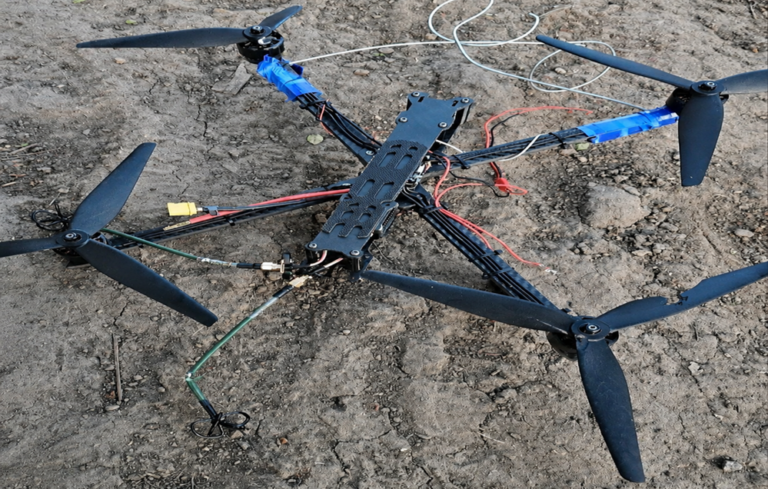
That matters because real-world threats don’t wait for software updates. Zero-day, previously unseen devices and signals must be detectable in real time, or they will hide in the noise.
When detection, classification, geolocation, tracking, targeting, and effects are treated as distinct but integrated infrastructure, every capability becomes more effective – and more resilient as threats evolve.
R2 Wireless’s ODIN was designed with this model in mind: not as a replacement for existing systems, but as a way to make the entire security stack stronger, more adaptable, and future-proof.